
CTR Tool For Google Maps
In the realm of local search engine optimization (SEO), Click-Through Rate (CTR) plays a crucial role in determining the visibility and success of a business on Google Maps. CTR is a metric that measures the number of clicks a listing receives relative to the number of times it appears in search results. A higher CTR indicates that users find the listing appealing and relevant, signaling to Google that the listing should rank higher.
The impact of CTR on Google Maps rankings cannot be overstated. Google’s algorithms heavily weigh user engagement metrics, such as CTR, when determining the ranking order of local business listings. A listing with a higher CTR is perceived as more valuable and relevant to users, leading to a higher ranking on Google Maps.
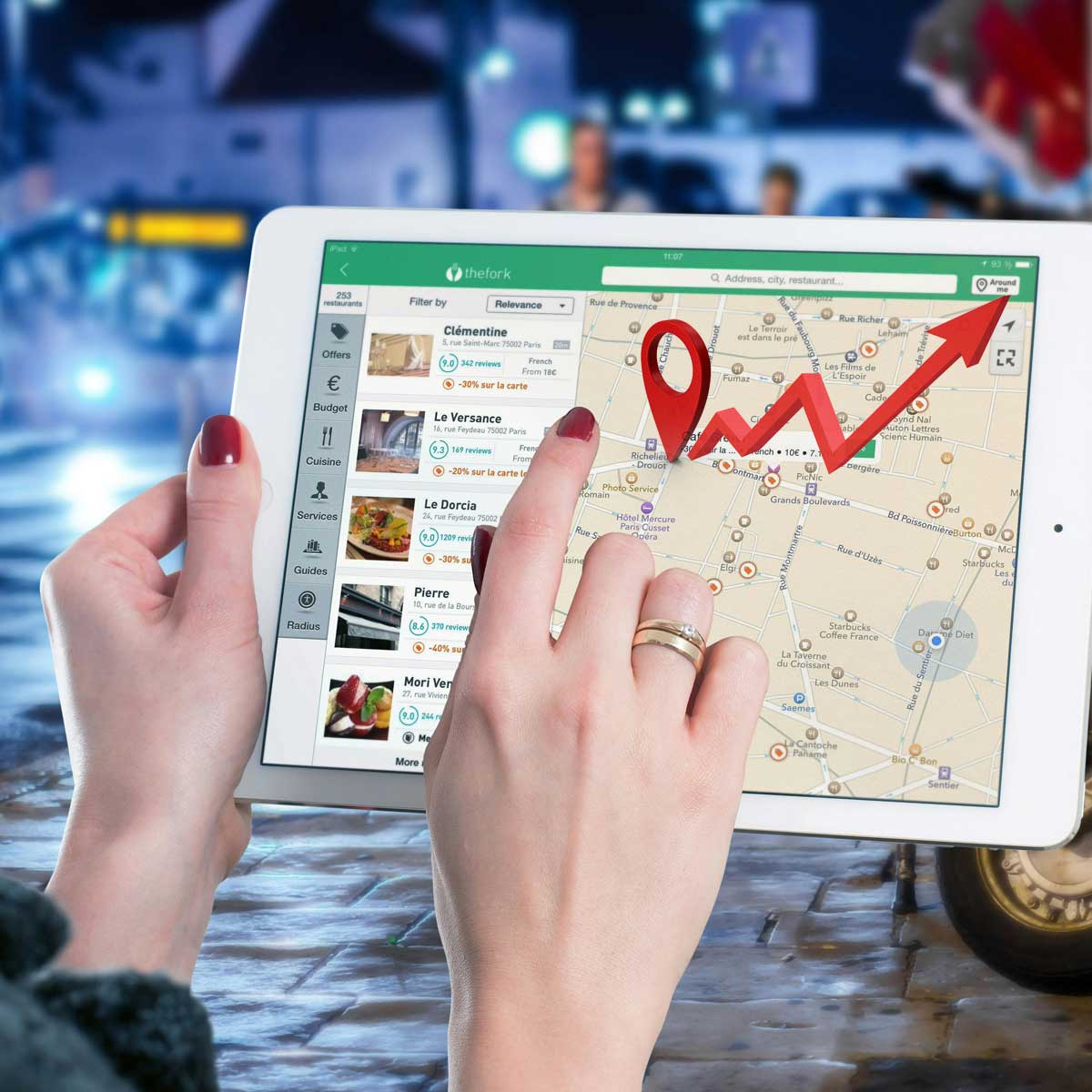
For local businesses, optimizing CTR is essential for several reasons. First, it increases visibility and discoverability on Google Maps, making it easier for potential customers to find the business. Second, a higher CTR translates to more website traffic and foot traffic, ultimately leading to increased revenue and growth. Third, a strong CTR demonstrates to Google the relevance and popularity of the business, reinforcing its position in local search results.
By understanding the significance of CTR and implementing strategies to improve it, local businesses can gain a competitive edge and dominate their respective markets on Google Maps. In the following sections, we will explore various CTR tools, techniques, and best practices to help businesses maximize their local SEO efforts and achieve higher rankings on Google Maps.

Google Maps CTR Monitoring Tools
One useful tool for monitoring the click-through rate (CTR) on Google Maps is an innovative software solution. Google Maps CTR analysis is crucial, especially for business owners, as they strive to optimize their Google business profile and improve their visibility on the platform for potential customers. A good CTR tool for Local SEO has measurement tools that are invaluable for businesses looking to understand the impact of their marketing strategies and user engagement on Google Maps listings. These tools, often integrated with the Google Maps platform and analytics solutions like Google Analytics, enable business owners to track and analyze the number of clicks their listings receive.
Incorporating search intent and search traffic data into the analytics report, these tools provide valuable insights into which elements of a business’s Google business profile are driving the most engagement. Google Maps marketing strategies can then be refined based on these insights, allowing businesses to tailor their approach to meet the specific needs of their target audience on the platform.
By actively monitoring CTR on Google Maps through these innovative tools, businesses can make data-driven decisions to enhance their listing’s performance, increase their visibility in local search engines, and ultimately drive more traffic to their physical locations. This proactive approach to analytics within the Google Maps platform empowers business owners to stay competitive in the digital landscape and adapt their strategies for optimal results.
Google Maps CTR Monitoring Tools
One useful tool for monitoring the click-through rate (CTR) on Google Maps is an innovative software solution. Google Maps CTR analysis is crucial, especially for business owners, as they strive to optimize their Google business profile and improve their visibility on the platform for potential customers. CTR measurement tools are invaluable for businesses looking to understand the impact of their marketing strategies and user engagement on Google Maps listings. These tools, often integrated with the Google Maps platform and analytics solutions like Google Analytics, enable business owners to track and analyze the number of clicks their listings receive.

Incorporating search intent and search traffic data into the analytics report, these tools provide valuable insights into which elements of a business’s Google business profile are driving the most engagement. Google Maps marketing strategies can then be refined based on these insights, allowing businesses to tailor their approach to meet the specific needs of their target audience on the platform.
By actively monitoring CTR on Google Maps through these innovative tools, businesses can make data-driven decisions to enhance their listing’s performance, increase their visibility in local search engines, and ultimately drive more traffic to their physical locations. This proactive approach to analytics within the Google Maps platform empowers business owners to stay competitive in the digital landscape and adapt their strategies for optimal results.
User Engagement Tracking Techniques
To effectively track user engagement, businesses can utilize various techniques that leverage the insights provided by Google Maps CTR analysis. Click-through rate analysis and user behavior analysis are two key techniques that can be employed. Click-through rate analysis involves monitoring the number of clicks a particular listing receives in relation to the number of impressions it generates.
This data can provide valuable insights into the effectiveness of a listing in generating user engagement. User behavior analysis, on the other hand, involves tracking how users interact with a listing once they click on it. This can include analyzing the time spent on the page, the actions taken, and the conversion rates. By utilizing these techniques, businesses can gain a deeper understanding of user engagement and optimize their strategies accordingly.
Analyzing CTR for Google Maps Listings
Google Maps CTR analysis enables businesses to analyze the click-through rates of their listings on the platform. By tracking and analyzing Google Maps CTR trends, businesses can gain valuable insights into the effectiveness of their listings and make informed decisions to improve their visibility and engagement. One important aspect of analyzing Google Maps CTR is competitor analysis.
By comparing the CTR of their listings with those of their competitors, businesses can identify areas where they are lagging behind or excelling. This information can then be used to optimize their listings and strategies accordingly. Additionally, competitor analysis for Google Maps CTR can provide businesses with a benchmark to measure their performance against and identify opportunities for improvement. Overall, analyzing CTR for Google Maps listings is crucial for businesses to stay competitive and maximize their visibility and engagement on the platform.

CTR Metrics for GMB Optimization
When optimizing GMB, it is essential to evaluate and analyze the various CTR metrics. Monitoring and understanding these metrics can help businesses optimize their GMB listings for higher CTR and improve their overall online visibility. One crucial aspect of analyzing CTR metrics for GMB optimization is comparing them against industry benchmarks. GMB CTR benchmarks provide businesses with insights into how their listings perform compared to their competitors.
By measuring their CTR against these benchmarks, businesses can identify areas for improvement and make necessary adjustments to their GMB listings. Additionally, optimizing GMB listings for higher CTR involves strategies such as using compelling and relevant keywords in the listing’s title and description, optimizing images, and regularly updating the listing with relevant and engaging content. By following these best practices and continually monitoring CTR metrics, businesses can enhance their GMB listings’ performance and drive more traffic to their websites.
Advanced CTR Tracking Methods
In the realm of CTR tracking, advanced methods can provide businesses with deeper insights and more accurate data for optimizing their GMB listings. These advanced techniques go beyond basic CTR analysis and offer a more comprehensive understanding of user behavior. Here are three advanced CTR tracking methods that can help businesses improve their click-through rate optimization:

- Heatmap analysis: By analyzing user interactions with a visual heatmap, businesses can identify the areas on their GMB listings that attract the most attention and optimize those sections for better click-through rates.
- A/B testing: This method involves creating multiple versions of a GMB listing and testing them against each other to determine which one generates a higher click-through rate. It allows businesses to experiment and refine their listings for maximum performance.
- User journey analysis: By tracking user behavior from the moment they see a GMB listing to the point of conversion, businesses can gain valuable insights into the factors that influence click-through rates. This analysis helps identify areas for improvement and enhances click-through rate optimization strategies.
Final Thoughts
Utilizing tools and techniques for enhanced CTR tracking can provide valuable insights for optimizing Google Maps listings and improving user engagement. By monitoring CTR metrics and employing advanced tracking methods, businesses can gain a better understanding of their online presence and make informed decisions to enhance their visibility and attract more potential customers. These strategies can ultimately contribute to the overall success of GMB optimization efforts.